Thursday, December 24, 2020

Spoil Mom with Any of These DIY Gift Basket Ideas

It’s filled with doable self-care ideas she can add to her busy day. I help busy women show love and affection by creating and curating custom gift ideas that surprise and delight. The beauty of this gardening gift basket is its versatility.

50 Thoughtful Birthday Gifts for Mom That Will Leave Her Speechless Getting the right birthday gifts for mom is important, you want her to feel appreciated on her special day. Inside this list, you’ll find some really lovely bits we’re sure moms will love. And no matter what her taste, we’re pretty confident that her perfect present is within this list. 40 Fabulous Birthday Gifts for Glam Moms Ever wonder what to get that special mom who sparkles with glamour? This list of both practical and luxurious products will please the most discriminating of tastes and are the perfect birthday gifts for mom.

Stunning Birthday Decorations for Mom that are...

As master gifters , we put in the hard work for you already! Professionally curated, we mix and match top-shelf products that complement each other for your gastronomical pleasure. Discovering fantastic birthday ideas for Mom is difficult. How do I find the excellent gift without breaking the bank?

birthday gift basket ideas for mom

Choose her birth flower to be stamped on these sterling silver earrings for a personal yet stylish set. Volcano is the signature scent from Mississippi-based Capri Blue that's a fruity blend of sugared oranges, lemons, and limes. This beautiful iridescent vessel is pretty enough for any room in Mama's house. Interlocking circles are a pretty way to represent the bond between mother and daughter.

t Christmas As My Mommy - Happy First Christmas As My Mommy - New Parent Christmas Card - New Mother Christmas Card - New Mom

We’re here to help with a list of birthday gift ideas for mom to show that special lady just how much she means to you. I don’t know about you and your mom, but I get my love of sweets from my mama. I know it’s always a safe bet to include my mom’s favorite sweet treats from our local bakery if I’m putting together a Mother’s Day or birthday gift basket for her. Even though you know your Mama better than almost anyone else in the world, it can still be hard to pick out the perfect gift for her birthday.

birthday gift basket ideas for mom

With just a little of your time and a small shopping list, you will be able to easily make your very own. I get it…not everyone has time to put together DIY items to include in a gift basket for mom. Aside from our impeccable taste for all things good and gourmet, every gift basket idea we combine is made with love. We understand how daunting a task it is at times to pick out the perfect present – let alone the time pressure it entails.

Birthday Gift, Birthday Gift Basket, Cute Basket for that Special Person - Beautiful Handmade Gift Baskets

Here’s a special idea; give her a necklace of your fingerprint cast in gold. Don’t worry, there’s a unique gift out there for your unique mom. Every single year, your mom has made a big to-do about your birthday. Now it's hers, so let's celebrate your mom (who brought you into this world!) the right way. These birthday gift ideas for mom are properly personalized, simply great, or tap into the warm and fuzzy side of mom. Show your oh-so-generous self, and Mom will be happy to know she raised you right.

This tutorial will show you how to add names and handprints from all the family, using vinyl and fabric paints. If she does, this candle will make a really special gift, because it looks and smells just like her favorite hot drink. Made using soy wax flakes, this candle can be made in any size cup – thrift stores are great for buying one-offs. Help them to indulge in some of the finer tastes that the world has to offer by introducing them to this Business Class Selections gift basket. Inside they will discover not only California Chardonnay and Silky Winemaker’s Red Blend, but also a range of both sweet and savory gourmet snacks. California is responsible for some of the best flavors available in the world.

Estée Lauder Pleasures Simple Moments Set

If the way to your mom’s heart is through her stomach, here are some fresh ideas. Chalkboards are everywhere, and they add such a fun aspect to the home. Create a large menu chalkboard by following the instructions in this DIY. Use pine boards, chalkboard paint, and plywood, and follow these instructions for a cute addition to her kitchen. If you’re not a dab hand at sewing but you want to give her a ‘homemade’ apron, start off with a plain canvas store bought one and add personal touches, instead.

How to make a paper rose~ this is a really cool idea or way to give someone money for Valentines, Mother's Day, Christmas, a birthday, graduation, thank you, wedding gift, etc. Our Birthday Ideas for Mom checklist has more than 15 wonderful ideas in any way rate points you can quickly pick an idea that will help both you as well as Mom. Being stuck for ideas on what to obtain Mom for her birthday is the worst. Since you like Mom so much, we produced this list with great deals of present ideas for your mom.

With the help of Harry & David, you can ship our most famous cake ever straight to her front door for her birthday celebration. This special edition machine from Keurig can make brewed coffee, lattes, and cappuccinos in under one minute. It makes four different sizes ranging from 4 to 12 ounces and a milk frother is included. This 14-piece set, including six polishes, has everything she'll need to achieve beautifully manicured hands at home. Marble and brass come together to create a beautiful serving backdrop that she'll be happy to pull out when she has company.
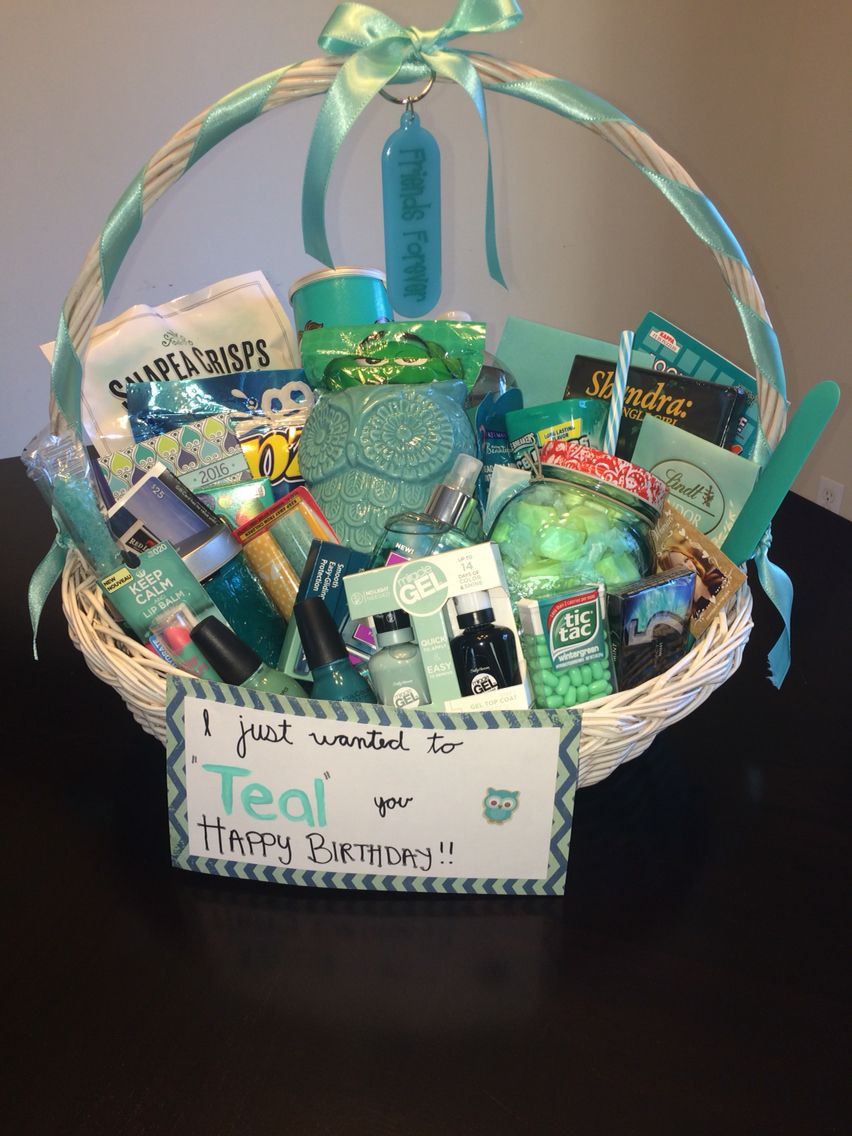
birthday gift basket ideas for mom

But when it’s her birthday, and the pressure’s on, discovering something she will love becomes a lot tougher. There’s a time to be a developed and also a time to succumb to childish fancifulness. She has spent many years caring for others, and now she’s learning to take care of herself. She cherishes her family more than anything in the world, so get her a gift with the names of all her loved ones — and their correspondingbirth month flowers— on it. These delightful decorative pillows will keep everyone she cares most about close to her heart. She has kept all your school art projects, and her home is filled with family photos and memorabilia.

Birthday Gift Baskets for Mom

There are four styles of tokens to choose from, and they can be printed out at home and made into a sweet booklet. A birthday party ought to be a special as well as unforgettable day for the mother as well as various other relatives. Planning a birthday party definitely calls for a lot of initiative yet you can constantly select basic and also easy-to-do ideas to organize a birthday party. Here we have some birthday party ideas for mom that will help you to prepare a great mom’s birthday party.

Although we get busier by the minute, we wouldn’t want this to compromise how we show our appreciation for the people we love, right? That’s why we put together an extensive collection of gift baskets for your most valued milestones. Send me exclusive offers, unique gift ideas, and personalized tips for shopping and selling on Etsy. She always worries about everyone else, and sometimes that comes at the expense of herself. Help your mom learn to put herself first with this unique card deck.

Estée Lauder Pleasures Simple Moments Set

If your Mom is in dire need of a special treat, check out these stunning gift baskets for Mom to make her feel loved. From wines to cheeses and fruit to spa products, the list contains some very special products that you can be confident she will appreciate. Birthday ideas for mom makes it simple to find something imaginative that will not cost a fortune.

birthday gift basket ideas for mom

The lure of Godiva chocolates would have most people doing just about anything. This high quality shoulder tote bag boasts a beautiful suede finish and even more beautiful contents. A link to set a new password will be sent to your email address. Exquisite as her love, our promise is a gastronomical trip to delicious gourmet favorites and classy choices.

Gift Box for Mother by Silly Obsessions. Birthday Gift Basket for Mom, Wife. Gift Box Set for New Mom, Baby Shower.

But when it’s her birthday, and the pressure’s on, discovering something she will love becomes a lot tougher. There’s a time to be a developed and also a time to succumb to childish fancifulness. She has spent many years caring for others, and now she’s learning to take care of herself. She cherishes her family more than anything in the world, so get her a gift with the names of all her loved ones — and their correspondingbirth month flowers— on it. These delightful decorative pillows will keep everyone she cares most about close to her heart. She has kept all your school art projects, and her home is filled with family photos and memorabilia.

birthday gift basket ideas for mom

Treat a loved one to this gourmet basket that contains some of these exceptional flavors. The leather basket comes with a stunning selection of Californian wine alongside decadent treats and candy that the recipient will definitely enjoy. This beautiful chest shows a stunning example of the world map, and would make a great gift by itself. Learn more about the world of beekeeping, and enjoy the sweet treasures that these fascinating creatures produce, with this fun gift. Including a delightful fairytale about a Queen bee and her honeybees, you will also find nine unique and delicious honeys. Whether your mom prefers a nice red, crisp white or trendy Rose, you can’t go wrong with wine.

Single Mom Gift Gift Box Set: Present for Single Mother, Super Mom, Mother's Day, Best Mom, Pearl Necklace

You can guarantee that this will be a gift she’ll never forget, because she’ll look at it numerous times each day. Made using an old clock from a thrift store , you can remove the original face and replace it with a favorite photo by following this step-by-step guide. She will unwrap the hamper to find one bottle of luxury champagne chosen by you, alongside a huge selection of some of the most delectable snacks you could find. Two words could make any mom instantly happy…champagne and confections.

birthday gift basket ideas for mom

We highlight imaginative ideas that are best for any mom, regardless of whether she likes crafts or embroidery or otherwise. We make it simple to discover quick do it yourself gifts as well as turning also the largest pasta fan into a thoughtful innovative chef. We make it easy to discover other ideas for innovative homemade presents, innovative equipping stuffers, and so on.

The Self Care Bucket List

Every gardener worth their salt needs some fine decor for their garden. This bronze plaque adds an elegant touch to any outdoor space, letting any and all visitors know that they’ve entered a special area. Make sure all your mom’s chargers, adaptors, cords, earbuds, and USBs are safe and sound while she travels with this handy organizer. You can personalize the grey leatherette exterior with your choice of icons and text, so she’ll be thinking of you during her adventures. Let her know she makes you happy when skies are gray by gifting her this touching keepsake. She’ll use it to keepjewelryand other precious small items safe by the bed or sink.

There’s no end to the designs you can put onto a wooden spoon using a pyrography pen and a little imagination. A basic wood burning set is inexpensive and will give you a whole new hobby, allowing you to create a set of customized wooden spoons to complement her kitchen. This is repurposing with a difference, because who knew you could turn a wooden bracelet into a tropical trinket box for Mom?

Give her the gift of spending some quality time together with a gift card for a cooking class at Sur La Table. Give Mom the gift of achieving the perfect blowout at home each time she styles her hair with this top-rated dryer brush from Revlon that styles as it dries. TAKE 5 because you need no REISEN To celebrate and turning 40 is nothing to SNICKER about. In fact, this is when you have BUTTERFINGERS And your mind starts playing TWIX on you.

birthday gift basket ideas for mom

You’re WHATCHAMACALLIT isn’t working properly, You’ll do things NOW & LATER And forget them both. You’ll even begin to swear on PAYDAYS that You made 100 GRAND when in fact It was only SKITTLES. So when looking back on the days of your life, Remembering all the SMARTIES and NERDS And thos...

Here are gift possibilities for that special sentimental someone. With this thoughtful gift, she’ll have everything she needs to grow basil, parsley, cilantro, and chives from seed. The cute kit includes planter pots, soil pellets, packs of herb seeds, plant markers, and an instruction booklet. Choose 12 of her favorite family photos to create this one-of-a-kind gift. You can start with any month, so no matter when you buy it, she’ll have a full year to enjoy it. Choose her favorite color and add her name or a line of text so that everyone knows this anti-slip, easy-to-clean mat ishers.

If the way to your mom’s heart is through her stomach, here are some fresh ideas. Chalkboards are everywhere, and they add such a fun aspect to the home. Create a large menu chalkboard by following the instructions in this DIY. Use pine boards, chalkboard paint, and plywood, and follow these instructions for a cute addition to her kitchen. If you’re not a dab hand at sewing but you want to give her a ‘homemade’ apron, start off with a plain canvas store bought one and add personal touches, instead.

Saturday, August 15, 2020

Incredible How Are Dentists Paid Under The Nhs Uda References

How Much Do Dentists Earn? UDA And NHS Salary Explained
How Much Do Dentists Earn? UDA And NHS Salary Explained from howmuchdotheymake.com

Are you curious about how dentists are paid under the NHS UDA? If so, you've come to the right place. In this article, we'll explore the ins and outs of how dentists receive payment for their services under the NHS UDA system. Whether you're a dental professional or a patient, understanding how dentists are compensated can provide valuable insight into the healthcare system.

When it comes to the topic of how dentists are paid under the NHS UDA, there are several pain points that both dentists and patients may encounter. Dentists may feel frustrated by the complex nature of the UDA system and the limitations it places on their ability to provide comprehensive care. Patients, on the other hand, may be concerned about the quality of care they will receive under this payment structure.

Under the NHS UDA, dentists are paid based on the number of Units of Dental Activity (UDA) they complete. Each UDA represents a specific treatment or service provided to a patient. The value of each UDA is determined by the NHS and can vary depending on factors such as the complexity of the treatment and the region in which the dentist practices.

In summary, dentists are compensated for their services under the NHS UDA system based on the number of Units of Dental Activity they complete. These UDAs are assigned a specific value by the NHS and vary depending on the treatment provided and the location of the dental practice.

Understanding the NHS UDA System: A Personal Experience

As a dental professional, I have had firsthand experience with the NHS UDA system and how dentists are paid. It can be a challenging system to navigate, as there are strict guidelines and targets that must be met in order to receive full payment for services rendered.

One of the main challenges I've encountered is the pressure to meet UDA targets while still providing high-quality care to my patients. It can be difficult to strike a balance between quantity and quality, especially when there are financial incentives tied to meeting certain targets.

Additionally, the value assigned to each UDA can sometimes feel arbitrary. Certain treatments may require more time, skill, and resources, yet they may be valued the same as simpler procedures. This can lead to frustration and a sense of undervaluing the work that dentists do.

Despite these challenges, the NHS UDA system does provide a framework for ensuring access to dental care for all patients. It helps to regulate the services provided by dentists and ensures that they are compensated for their work.

What is the NHS UDA System?

The NHS UDA system is a method of payment used to compensate dentists for their services under the National Health Service (NHS) in the United Kingdom. It is based on the concept of Units of Dental Activity (UDA), which represent specific treatments or services provided to patients.

Each UDA is assigned a value by the NHS, which can vary depending on factors such as the complexity of the treatment and the location of the dental practice. Dentists are then paid based on the number of UDAs they complete within a specified time period.

The NHS UDA system aims to provide a standardized method of payment for dental services and ensure that patients have access to necessary care. It helps to regulate the services provided by dentists and ensures that they are compensated for their work.

The History and Myth of the NHS UDA System

The NHS UDA system has a long history that dates back to the inception of the National Health Service in 1948. It was introduced as a way to provide dental care to all residents of the UK, regardless of their ability to pay.

Over the years, there have been various myths and misconceptions surrounding the NHS UDA system. One common myth is that dentists are incentivized to provide unnecessary treatments in order to meet their UDA targets and receive full payment. However, this is not the case, as dentists are required to adhere to strict guidelines and ethical standards.

Another myth is that the NHS UDA system leads to a lower quality of care, as dentists may feel pressured to prioritize quantity over quality. While it is true that there are targets that must be met, dentists are still expected to provide high-quality care to their patients.

Overall, the NHS UDA system has evolved over time and continues to be a vital part of the healthcare system in the UK. It helps to ensure that dental care is accessible to all residents and provides a framework for compensating dentists for their services.

The Hidden Secret of the NHS UDA System

While the NHS UDA system may seem straightforward on the surface, there is a hidden secret that many people may not be aware of. This secret lies in the complex nature of the system and the challenges it presents for dentists.

One of the hidden secrets of the NHS UDA system is the pressure it places on dentists to meet targets and achieve full payment. Dentists may feel compelled to prioritize quantity over quality in order to meet these targets, which can impact the level of care provided to patients.

Additionally, the value assigned to each UDA can sometimes be lower than the actual cost of providing the treatment. This can result in dentists being undercompensated for their services and can create financial challenges for dental practices.

It is important for patients to be aware of these hidden secrets and to advocate for their own oral health. By understanding the challenges that dentists face under the NHS UDA system, patients can make informed decisions about their dental care and seek out providers who prioritize quality.

Recommendations for the NHS UDA System

While the NHS UDA system has its challenges, there are recommendations that can help improve the system and ensure that dentists are fairly compensated for their services.

One recommendation is to reevaluate the value assigned to each UDA and ensure that it reflects the true cost of providing the treatment. This would help to address the issue of undercompensation and provide dentists with a more accurate reflection of the value of their work.

Another recommendation is to provide dentists with more flexibility in how they meet their UDA targets. Currently, dentists are often limited in the types of treatments they can provide in order to meet their targets. Allowing for more flexibility would enable dentists to provide more comprehensive care to their patients.

Additionally, it would be beneficial to provide more support and resources for dentists to help them navigate the complexities of the NHS UDA system. This could include training programs, financial assistance, and guidance on best practices for meeting targets while still providing high-quality care.

Exploring the NHS UDA System in More Detail

To delve deeper into the topic of how dentists are paid under the NHS UDA system, it is important to understand the various components and factors that come into play.

Firstly, the value of each UDA is determined by the NHS and can vary depending on factors such as the complexity of the treatment and the location of the dental practice. This value is reviewed and updated periodically to ensure that it reflects the current cost of providing dental care.

Secondly, dentists are required to meet UDA targets in order to receive full payment for their services. These targets are set by the NHS and are based on factors such as the number of patients seen and the types of treatments provided.

Finally, dentists are responsible for accurately recording and reporting the UDAs they complete. This requires careful documentation and adherence to coding guidelines to ensure that the correct value is assigned to each UDA.

By understanding these components of the NHS UDA system, dentists and patients can gain a better understanding of how dentists are paid and the challenges they may face.

Tips for Success in the NHS UDA System

If you are a dentist working within the NHS UDA system, there are several tips that can help you navigate the challenges and succeed in providing high-quality care to your patients.

Firstly, it is important to stay informed about any updates or changes to the UDA system. This can help you ensure that you are meeting the necessary targets and providing accurate documentation.

Secondly, strive to strike a balance between quantity and quality. While it is important to meet UDA targets, it is equally important to provide high-quality care to your patients. Focus on building long-term relationships with your patients and providing personalized care.

Finally, seek out support and resources to help you navigate the complexities of the NHS UDA system. This can include attending training programs, joining professional organizations, and networking with other dental professionals.

Exploring the Fun Facts of the NHS UDA System

Did you know that the NHS UDA system was introduced as a way to ensure that all residents of the UK have access to dental care, regardless of their ability to pay? This system has helped to improve oral health outcomes and provide necessary care to millions of people.

Another fun fact is that the value of each UDA can vary depending on the region in which the dental practice is located. This is to account for differences in the cost of living and the availability of dental services in different areas.

Additionally, the NHS UDA system has evolved over time to incorporate new technologies and treatments. This ensures that dentists are able to provide the most up-to-date and effective care to their patients.

By exploring these fun facts, we can gain a greater appreciation for the NHS U

Review Of How Do Dentist Keep Your Teeth Clean References

Dental Teeth Cleaning in Barrie Molson Park Dental
Dental Teeth Cleaning in Barrie Molson Park Dental from molsonparkdental.com

If you've ever wondered how dentists keep your teeth clean, you're not alone. Many people are curious about the techniques and tools dentists use to maintain good oral hygiene. In this article, we will explore the secrets behind how dentists keep your teeth clean and provide you with valuable tips to maintain a healthy smile.

When it comes to oral health, there are several pain points that individuals may experience. These can include tooth decay, gum disease, bad breath, and stained teeth. Dentists are trained to address these issues and provide effective solutions to keep your teeth clean and healthy.

So, how do dentists keep your teeth clean? The process begins with a thorough examination of your teeth and gums. Dentists use specialized tools to remove plaque and tartar buildup, which can lead to tooth decay and gum disease. They also perform professional cleanings, such as scaling and polishing, to remove stubborn stains and improve the overall appearance of your teeth.

In summary, dentists keep your teeth clean through a combination of regular check-ups, professional cleanings, and effective oral hygiene practices. By following their recommendations, you can maintain a bright and healthy smile.

How do dentists keep your teeth clean - Explained

Now, let's dive deeper into the topic of how dentists keep your teeth clean. One of the most important aspects is regular dental check-ups. Dentists recommend visiting them every six months for a comprehensive examination. During these check-ups, they will assess the health of your teeth and gums, identify any potential issues, and provide necessary treatments.

Personal experience:

As someone who has been visiting the dentist regularly, I can attest to the effectiveness of their techniques. During my last check-up, the dentist used a small mirror and probe to examine my teeth and gums. They also took X-rays to get a closer look at any potential issues. After the examination, they performed a thorough cleaning, removing plaque and tartar buildup using specialized tools. The experience was comfortable and left my teeth feeling incredibly clean.

Additionally, dentists educate their patients on proper oral hygiene practices. This includes brushing your teeth at least twice a day, flossing daily, and using mouthwash to kill bacteria. They may also recommend specific toothbrushes, toothpaste, and dental floss based on your individual needs.

How do dentists keep your teeth clean - The History and Myth

The history of dental hygiene dates back thousands of years. Ancient civilizations, such as the Egyptians and Greeks, developed various methods to keep their teeth clean. These included using chewing sticks made from twigs and leaves, as well as early forms of toothpaste. Over time, advancements in dental technology and research have led to the development of more effective techniques and tools.

There are also myths surrounding dental hygiene. One common myth is that brushing your teeth immediately after consuming acidic foods or drinks can damage the enamel. However, dentists recommend waiting at least 30 minutes before brushing to allow the saliva to neutralize the acids.

How do dentists keep your teeth clean - The Hidden Secret

The hidden secret to how dentists keep your teeth clean lies in their knowledge and expertise. Dentists undergo years of education and training to understand the complexities of oral health. They stay up-to-date with the latest research and advancements in dental care, allowing them to provide the best possible treatments for their patients.

In addition to their professional expertise, dentists also have access to specialized tools and equipment. These tools, such as ultrasonic scalers and air polishers, allow them to remove plaque, tartar, and stains more effectively than regular toothbrushes or floss.

How do dentists keep your teeth clean - Recommendations

To maintain clean teeth, dentists recommend following a few key recommendations. Firstly, it is essential to brush your teeth at least twice a day for two minutes each time. Use a soft-bristled toothbrush and fluoride toothpaste to effectively remove plaque and prevent tooth decay. Secondly, floss daily to remove plaque and food particles from between your teeth and along the gumline. Lastly, visit your dentist regularly for check-ups and professional cleanings.

By following these recommendations, you can keep your teeth clean and enjoy good oral health.

How do dentists keep your teeth clean - Explained in More Detail

To delve further into the topic of how dentists keep your teeth clean, let's discuss some additional details. One important aspect is the role of fluoride in dental hygiene. Fluoride is a mineral that strengthens the enamel, making it more resistant to tooth decay. Dentists may recommend fluoride treatments or fluoride toothpaste to enhance the health of your teeth.

In addition to fluoride, dentists may also offer sealants to prevent tooth decay. Dental sealants are thin coatings applied to the chewing surfaces of the back teeth. They act as a barrier, protecting the teeth from plaque and acids.

Tips for how do dentists keep your teeth clean

Here are some helpful tips for maintaining clean teeth:

  1. Brush your teeth at least twice a day for two minutes each time.
  2. Floss daily to remove plaque and food particles from between your teeth.
  3. Use mouthwash to kill bacteria and freshen your breath.
  4. Visit your dentist regularly for check-ups and professional cleanings.

Following these tips will help you keep your teeth clean and maintain good oral hygiene.

How do dentists keep your teeth clean - Explained in More Detail

When it comes to keeping your teeth clean, dentists employ various techniques. One such technique is scaling, which involves the removal of plaque and tartar from the tooth surfaces. Dentists may use manual scaling instruments or ultrasonic scalers to perform this procedure. Scaling helps prevent gum disease and promotes overall oral health.

Another important aspect of dental hygiene is polishing. Dentists use a specialized tool to polish the teeth, removing surface stains and leaving them smooth and shiny. This procedure not only improves the appearance of your teeth but also makes it more difficult for plaque to stick to the enamel.

Fun Facts about how do dentists keep your teeth clean

Here are some fun facts about how dentists keep your teeth clean:

  • The first toothbrush with bristles was invented in China in the 15th century.
  • Toothpaste as we know it today was first sold in the 19th century.
  • The modern dental chair was invented in the 1840s.
  • Fluoride was first added to toothpaste in the 1950s.

These fun facts highlight the evolution of dental hygiene and the advancements that have been made to keep our teeth clean and healthy.

How to how do dentist keep your teeth clean

To learn how to keep your teeth clean like a dentist, follow these steps:

  1. Brush your teeth at least twice a day for two minutes each time.
  2. Floss daily to remove plaque from between your teeth and along the gumline.
  3. Use mouthwash to kill bacteria and freshen your breath.
  4. Visit your dentist regularly for check-ups and professional cleanings.

By following these steps, you can maintain clean teeth and enjoy good oral health.

What if how do dentist keep your teeth clean

If you neglect proper dental hygiene practices, you may experience various oral health issues. These can include tooth decay, gum disease, bad breath, and stained teeth. Neglecting regular dental check-ups and professional cleanings can also lead to more severe problems, such as tooth loss and infections.

It is essential to prioritize your oral health and follow the recommendations of dentists to keep your teeth clean and maintain a healthy smile.

Listicle of how do dentist keep your teeth clean

Here is a listicle of tips for how dentists keep your teeth clean:

  1. Regular dental check-ups
  2. Professional cleanings
  3. Brushing twice a day
  4. Flossing daily
  5. Using mouthwash
  6. Following a healthy diet
  7. Avoiding tobacco products
  8. Using fluoride toothpaste
  9. Limiting sugary foods and drinks
  10. Replacing your toothbrush regularly

By incorporating these tips into your daily routine, you can maintain clean teeth and promote good oral hygiene.

Question and Answer about how do dentist keep your teeth clean

Q: How often should I visit the dentist for a check-up?

A: Dentists recommend visiting them every six months for a comprehensive examination and professional cleaning.

Q: Can I keep my teeth clean by just brushing and flossing?

A: While brushing and flossing are essential for maintaining clean teeth, regular dental check-ups and professional cleanings are also necessary to ensure optimal oral health.

Q: What should I do if

Friday, August 14, 2020

The Best Can Dentists Tell If You Gave Oral Sex Ideas

Can Dentists Tell If You Vape & Will They Tell Your Parents?
Can Dentists Tell If You Vape & Will They Tell Your Parents? from hugateen.com

Are you worried about whether or not dentists can tell if you've given oral sex? It's a common concern for many people, but the truth is, there's no need to fret. Dentists are not able to determine if you've engaged in oral sex just by examining your mouth. Let's take a closer look at this topic and put your mind at ease.

One of the main concerns people have is the fear of being judged or shamed by their dentist if they've engaged in oral sex. It's important to remember that dentists are medical professionals who are bound by patient confidentiality. They are not there to pass judgment or disclose personal information. Your dentist's primary goal is to ensure your oral health and provide you with the best care possible.

So, can dentists tell if you've given oral sex? The answer is no. While dentists can identify signs of oral health issues, such as gum disease or infections, they cannot determine your sexual activity. They may ask questions about your oral hygiene routine, any symptoms you may be experiencing, or if you have any concerns, but these questions are meant to help assess your overall oral health.

In conclusion, dentists cannot tell if you've given oral sex based solely on an examination of your mouth. It's important to remember that your dentist is there to provide you with the best care and support for your oral health. If you have any concerns or questions, don't hesitate to discuss them openly with your dentist.

Can Dentists Tell If You Gave Oral Sex: Exploring the Facts

Now, let's delve deeper into the topic of whether dentists can tell if you've given oral sex. While it's true that dentists can identify certain oral health issues, such as gum disease or infections, they cannot determine your sexual activity just by examining your mouth.

Personal Experience:

I recently had a routine dental check-up and was feeling a bit nervous about whether my dentist would be able to tell if I had engaged in oral sex. However, during the appointment, my dentist focused on assessing my oral health by examining my teeth, gums, and overall oral hygiene. There was no mention or indication of any sexual activity.

When it comes to oral health, dentists look for signs of gum disease, cavities, oral infections, and other oral health issues. These signs can include red or swollen gums, bleeding gums, tooth decay, or visible signs of infection. While some of these signs can be associated with certain sexually transmitted infections (STIs), they do not provide conclusive evidence of sexual activity.

It's important to note that if you have any concerns about your sexual health or potential STIs, it's best to consult with a healthcare professional who specializes in sexual health. They can provide you with accurate information, testing, and support.

The History and Myth of Dentists Determining Sexual Activity

Throughout history, there have been various myths and misconceptions about dentists being able to determine sexual activity. These myths often stem from societal taboos and misinformation. However, it's essential to rely on accurate and evidence-based information when discussing matters of sexual health and oral health.

One common myth is that dentists can identify sexual activity based on the appearance of the oral tissues. While certain STIs can manifest in the mouth, such as oral herpes or syphilis, these conditions can also occur without any sexual activity. Additionally, these conditions would typically present with specific symptoms that a dentist could identify, such as sores or lesions.

It's important to remember that dentists are not trained to diagnose or treat STIs. If you have any concerns about your sexual health, it's best to consult with a healthcare professional who specializes in sexual health or visit a clinic that offers STI testing.

The Hidden Secret: Dentists and Patient Confidentiality

When it comes to discussing matters of sexual health, confidentiality is of utmost importance. Dentists, like all medical professionals, are bound by patient confidentiality. This means that they cannot disclose any personal information or details about your health without your consent.

Any information you share with your dentist is protected by privacy laws and ethical guidelines. Your dentist is there to provide you with the best care possible, and part of that care includes respecting your privacy and maintaining confidentiality.

If you have any concerns about your privacy or confidentiality, don't hesitate to discuss them with your dentist. They will be able to address your concerns and provide reassurance.

Recommendations for Discussing Sexual Health with Your Dentist

While dentists cannot determine your sexual activity, it's essential to maintain open and honest communication with your healthcare providers. Here are some recommendations for discussing sexual health with your dentist:

  1. Be honest: If you have any concerns or questions about your sexual health, don't hesitate to discuss them openly with your dentist. They are there to provide you with accurate information and support.
  2. Ask questions: If you're unsure about certain aspects of your oral health or how it may relate to sexual health, ask your dentist for clarification. They will be able to provide you with the information you need.
  3. Seek specialized care when needed: If you have specific concerns about your sexual health, it may be beneficial to consult with a healthcare professional who specializes in sexual health or visit a clinic that offers STI testing.

Understanding Oral Health and STIs

While dentists cannot determine your sexual activity, it's essential to understand the potential links between oral health and sexually transmitted infections (STIs). Some STIs, such as oral herpes or syphilis, can manifest in the mouth and may present with specific symptoms. However, these symptoms are not exclusive to sexual activity and can occur in other situations as well.

It's always a good idea to practice safe sex and maintain good oral hygiene to reduce the risk of oral health issues and potential STIs. This includes regular dental check-ups, brushing and flossing your teeth, and using protection during sexual activity.

Tips for Maintaining Oral Health

While dentists cannot determine your sexual activity, it's important to prioritize your oral health. Here are some tips for maintaining good oral hygiene:

  1. Brush your teeth at least twice a day with a fluoride toothpaste.
  2. Floss daily to remove plaque and food particles from between your teeth.
  3. Limit sugary and acidic foods and drinks, as they can contribute to tooth decay.
  4. Visit your dentist regularly for check-ups and professional cleanings.
  5. Consider using mouthwash or an antimicrobial rinse to help reduce bacteria in your mouth.

Conclusion of Can Dentists Tell If You Gave Oral Sex

In conclusion, dentists cannot tell if you've given oral sex just by examining your mouth. While they can identify signs of oral health issues, they are not able to determine your sexual activity. It's important to maintain open and honest communication with your dentist and seek specialized care when needed. Remember to prioritize your oral health by practicing good oral hygiene and visiting your dentist regularly.

By following these recommendations and prioritizing your oral health, you can ensure that your dentist can provide you with the best care possible, without any unnecessary worries or concerns about your sexual activity.

Cool Can I Get Covid At Dentist 2023

Visit a Dentist in North Port During Covid19 Pandemic with Low Risk
Visit a Dentist in North Port During Covid19 Pandemic with Low Risk from shoredentalnorthport.com

Are you concerned about the risk of getting COVID-19 at the dentist? In this article, we will explore the topic of whether you can get COVID-19 at the dentist and provide you with the information you need to make informed decisions about your dental health during the pandemic.

The Concerns

Many people worry about going to the dentist during the COVID-19 pandemic. They are concerned about the close proximity to the dentist and dental staff, as well as the potential for exposure to the virus through aerosol-generating procedures.

Can I Get COVID-19 at the Dentist?

The risk of getting COVID-19 at the dentist's office is relatively low if proper precautions are followed. Dental offices have implemented strict protocols to reduce the risk of transmission, including enhanced cleaning and disinfection, the use of personal protective equipment (PPE), and screening patients for symptoms before their appointments.

Studies have shown that the rate of COVID-19 transmission in dental settings is very low when these protocols are followed. The American Dental Association (ADA) and the Centers for Disease Control and Prevention (CDC) have provided guidelines for dental offices to ensure the safety of patients and staff.

Summary

In summary, while there is a potential risk of getting COVID-19 at the dentist, dental offices have implemented strict protocols to minimize this risk. By following these protocols and practicing good oral hygiene at home, you can maintain your dental health while reducing the risk of COVID-19 transmission.

Personal Experience

As someone who recently visited the dentist during the pandemic, I can attest to the safety measures in place. Upon arrival, I was screened for symptoms and had my temperature checked. The waiting room was arranged to ensure social distancing, and all staff wore masks and face shields. The dentist and hygienist wore full PPE during the appointment, and extra time was allotted between patients for thorough cleaning and disinfection of the treatment room. I felt safe and reassured throughout the entire visit.

Understanding COVID-19 at the Dentist

COVID-19 is a respiratory illness caused by the novel coronavirus. It spreads primarily through respiratory droplets when an infected person coughs, sneezes, talks, or breathes. The virus can also be transmitted by touching contaminated surfaces and then touching the face. In a dental setting, aerosol-generating procedures, such as drilling or scaling, can potentially release respiratory droplets into the air, increasing the risk of transmission.

However, dental offices have implemented measures to minimize the spread of the virus. They have increased the use of high-volume suction to reduce aerosol production and have implemented air filtration systems to improve air quality. Dental staff also wear additional PPE, such as N95 masks or powered air-purifying respirators (PAPRs), during aerosol-generating procedures.

History and Myth

There have been rumors and myths circulating about the risk of getting COVID-19 at the dentist. One common myth is that dental procedures can spread the virus throughout the body. However, there is no scientific evidence to support this claim. The virus primarily affects the respiratory system and is primarily transmitted through respiratory droplets.

Another myth is that dental offices are high-risk environments for COVID-19 transmission. While dental offices do carry a certain level of risk, they have implemented strict protocols to mitigate this risk. The low rate of COVID-19 transmission in dental settings is a testament to the effectiveness of these protocols.

Hidden Secrets

While there are no hidden secrets about COVID-19 at the dentist, it is important to stay informed and educated about the latest guidelines and recommendations. Regularly check the ADA and CDC websites for updates on dental care during the pandemic. Stay in touch with your dentist and ask any questions or concerns you may have about the safety measures in place.

Recommendations

Here are some recommendations to reduce the risk of COVID-19 transmission at the dentist:

  • Wear a mask before entering the dental office and keep it on until instructed to remove it.
  • Practice good hand hygiene by washing your hands with soap and water for at least 20 seconds or using hand sanitizer with at least 60% alcohol.
  • Follow all instructions given by the dental staff and maintain social distancing in the waiting area.
  • Inform your dentist if you have any symptoms of COVID-19 or if you have been in close contact with someone who has tested positive.
  • Continue practicing good oral hygiene at home, including brushing twice a day, flossing daily, and using mouthwash.

Additional Information

For more information on COVID-19 at the dentist and related topics, consult reputable sources such as the ADA and CDC. Stay informed and make decisions based on the latest scientific evidence and guidelines.

Tips for a Safe Dental Visit

Here are some tips to ensure a safe dental visit during the COVID-19 pandemic:

  • Call ahead to confirm the dental office's safety protocols and ask any questions or concerns you may have.
  • Arrive on time for your appointment to minimize time spent in the waiting area.
  • Wear a mask and maintain social distancing while in the dental office.
  • Follow all instructions given by the dental staff, including hand hygiene and respiratory etiquette.
  • Consider scheduling your appointment during off-peak hours to reduce the number of people in the dental office.

Conclusion of COVID-19 at the Dentist

While there is a potential risk of getting COVID-19 at the dentist, dental offices have implemented strict protocols to minimize this risk. By following these protocols and practicing good oral hygiene at home, you can maintain your dental health while reducing the risk of COVID-19 transmission. Stay informed, follow the guidelines, and make decisions based on the latest scientific evidence.

Question and Answer

Q: Can I get COVID-19 from a dental cleaning?

A: The risk of getting COVID-19 from a dental cleaning is very low if proper precautions are followed. Dental offices have implemented strict protocols to reduce the risk of transmission.

Q: What precautions are dental offices taking to prevent COVID-19 transmission?

A: Dental offices are taking various precautions, including enhanced cleaning and disinfection, the use of personal protective equipment (PPE), and screening patients for symptoms before their appointments.

Q: Is it safe to go to the dentist during the COVID-19 pandemic?

A: It is generally safe to go to the dentist during the COVID-19 pandemic if proper precautions are followed. Dental offices have implemented strict protocols to minimize the risk of COVID-19 transmission.

Q: Should I delay my dental appointment due to COVID-19?

A: It depends on your individual circumstances and the recommendations of your dentist. If you have urgent dental needs, it is important to seek treatment. Discuss your concerns with your dentist to make an informed decision.

Conclusion

In conclusion, the risk of getting COVID-19 at the dentist is relatively low if proper precautions are followed. Dental offices have implemented strict protocols to ensure the safety of patients and staff. By staying informed, following guidelines, and practicing good oral hygiene, you can maintain your dental health while reducing the risk of COVID-19 transmission.

Thursday, August 13, 2020

Cool How Dentists Remove A Tooth 2023

Can You Live Without A Molar Tooth?
Can You Live Without A Molar Tooth? from dentalvibe.com

Have you ever wondered how dentists remove a tooth? It's a common procedure that many people may need to undergo at some point in their lives. Whether it's due to tooth decay, gum disease, or other dental issues, the process of tooth extraction can be intimidating and anxiety-inducing. But fear not, because in this article, we will explore the ins and outs of how dentists remove a tooth and provide you with all the information you need to know.

When it comes to dental procedures, one of the biggest concerns for patients is the pain associated with them. The thought of having a tooth pulled out can be daunting, and the fear of experiencing pain during the process can be overwhelming. However, thanks to modern advancements in dentistry, dentists have various techniques and tools at their disposal to ensure a comfortable and pain-free experience for patients.

So, how do dentists remove a tooth? The process typically starts with the dentist administering a local anesthetic to numb the area around the tooth. This helps to minimize any discomfort or pain during the procedure. Once the area is numb, the dentist will use specialized instruments, such as forceps or elevators, to loosen and remove the tooth from its socket.

In summary, the process of how dentists remove a tooth involves numbing the area, loosening the tooth, and gently extracting it from its socket. While tooth extraction may sound intimidating, rest assured that dentists prioritize patient comfort and employ various techniques to ensure a pain-free experience.

Personal Experience: A Smooth and Painless Tooth Extraction

As someone who recently underwent a tooth extraction, I can attest to the smooth and painless process. My dentist took the time to explain the procedure to me and address any concerns I had. The local anesthetic made the area completely numb, and I didn't feel any pain or discomfort during the extraction.

The dentist used forceps to gently loosen the tooth and remove it from its socket. Throughout the process, I felt pressure but no pain. The extraction was quick, and the dentist provided clear aftercare instructions to ensure proper healing.

Overall, my experience with how dentists remove a tooth was positive, and I was pleasantly surprised by how painless and efficient the procedure was.

Understanding the Process of Tooth Extraction

When it comes to how dentists remove a tooth, it's essential to understand the different types of tooth extraction and the reasons why they may be necessary. There are two main types of tooth extraction: simple extraction and surgical extraction.

Simple extraction is typically performed on teeth that are visible and easily accessible. The dentist will use forceps to grasp and gently remove the tooth from its socket. This type of extraction is commonly used for teeth that are decayed, damaged, or causing overcrowding.

Surgical extraction, on the other hand, is a more complex procedure. It is performed on teeth that are impacted, partially erupted, or cannot be easily accessed. The dentist may need to make an incision in the gum to access the tooth and may need to remove bone or cut the tooth into smaller pieces for extraction.

Both types of tooth extraction may require stitches to close the gum after the tooth is removed. The dentist will provide detailed aftercare instructions to promote healing and prevent complications.

The History and Myth Surrounding Tooth Extraction

The practice of tooth extraction dates back thousands of years and has evolved significantly over time. In ancient civilizations, tooth extraction was often performed by individuals with no formal dental training, such as barbers or blacksmiths. These individuals would use crude instruments and techniques, resulting in a painful and dangerous experience.

Throughout history, tooth extraction has also been associated with various myths and superstitions. For example, some believed that a tooth extracted from a deceased person could cure ailments or bring good luck. Others believed that placing a tooth under a pillow would summon the Tooth Fairy.

Thankfully, modern dentistry has come a long way since those ancient times. Dentists now have the knowledge, skills, and advanced tools to perform tooth extractions safely and effectively.

The Hidden Secrets of Tooth Extraction

While tooth extraction may seem straightforward, there are hidden secrets that dentists employ to ensure a successful procedure. One of these secrets is the careful evaluation of the tooth's condition and surrounding structures before extraction. Dentists use X-rays and other imaging techniques to assess the tooth's roots, the presence of infection, and any potential complications.

Another secret lies in the dentist's expertise in using precise and controlled movements to minimize trauma to the surrounding tissues during the extraction. This helps to reduce post-operative pain, swelling, and healing time.

Furthermore, dentists may recommend additional dental procedures, such as dental implants or bridges, to restore the function and aesthetics of the missing tooth after extraction. These options can help improve chewing ability, prevent teeth shifting, and enhance the patient's smile.

Recommendations for a Successful Tooth Extraction

If you are scheduled for a tooth extraction, here are some recommendations to ensure a successful procedure and smooth recovery:

  1. Follow your dentist's pre-operative instructions, such as fasting before the procedure if required.
  2. Inform your dentist about any medications or supplements you are taking.
  3. Discuss your medical history and any underlying health conditions with your dentist.
  4. Follow the post-operative instructions provided by your dentist, including taking prescribed medications and practicing good oral hygiene.
  5. Avoid smoking or using tobacco products, as they can impair healing.
  6. Stick to a soft diet after the extraction and gradually reintroduce solid foods as advised by your dentist.
  7. Avoid vigorous rinsing or spitting for the first 24 hours to prevent dislodging the blood clot.
  8. If you experience severe pain, excessive bleeding, or any other concerns, contact your dentist immediately.

Understanding the Importance of Tooth Extraction

While tooth extraction may not be the ideal outcome for everyone, it is sometimes necessary to maintain oral health and prevent further complications. Some common reasons for tooth extraction include:

  • Severe tooth decay that cannot be restored with a filling or crown
  • Advanced gum disease that has caused bone loss and loosening of the tooth
  • Impacted wisdom teeth that are causing pain, infection, or damage to adjacent teeth
  • Overcrowding of teeth, which may require extraction to create space for orthodontic treatment
  • Preparation for orthodontic treatment, such as braces
  • Fractured or broken teeth beyond repair
  • Teeth that are at risk of infection due to a compromised immune system

If you are facing the possibility of tooth extraction, it's important to discuss your concerns and treatment options with your dentist. They will guide you through the process and provide personalized recommendations based on your specific dental needs.

Tips for a Smooth Tooth Extraction Experience

To ensure a smooth and comfortable tooth extraction experience, consider the following tips:

  1. Communicate openly with your dentist about any fears or concerns you may have. They can provide reassurance and offer techniques to help you relax.
  2. Practice deep breathing or other relaxation techniques before and during the procedure to help reduce anxiety.
  3. Listen to music or bring headphones to drown out any sounds that may cause distress.
  4. Consider dental sedation options, such as nitrous oxide (laughing gas) or oral sedatives, if you have severe dental anxiety.
  5. Arrange for transportation to and from the dental office, as you may feel groggy or drowsy after sedation.
  6. Wear comfortable clothing and remove any jewelry or accessories that may interfere with the procedure.
  7. Bring a trusted friend or family member to provide support and accompany you during the appointment.
  8. Follow all pre-operative and post-operative instructions provided by your dentist to ensure a successful and speedy recovery.

Question and Answer

Q: Does tooth extraction hurt?

A: Dentists use local anesthesia to numb the area before the extraction, so you should not feel any pain during the procedure. However, some discomfort or pressure may be felt during the tooth's removal.

Q: How long does it take to recover from a tooth extraction?

A: The recovery time varies depending on the complexity of the extraction and individual healing abilities. In general, it takes about one to two weeks for the extraction site to fully heal.

Q: Can I eat after a tooth extraction?

A: It is recommended to stick to a soft diet for the first few days after the extraction. Gradually reintroduce solid foods as advised by your dentist.

Q: What can I do to reduce swelling after a tooth extraction?

A: Applying an ice pack to the affected area for 10-15 minutes at a time can help reduce swelling. It's important to follow your dentist's instructions for post-operative care, including any recommended medications.

Conclusion of How Dentists Remove a Tooth

In conclusion, tooth extraction is a common dental procedure that is performed to address various dental issues. Dentists use a combination of local anesthesia, specialized instruments, and their expertise to ensure a comfortable and pain-free experience for patients. By understanding the process, following post-operative instructions, and discussing any concerns with your

How to Get Rid of Mice, According to Experts

Table Of Content What Scents Repel Mice? The Best Ant Killers Traditional Mouse Traps, Snap Traps, and Beyond Mighty Mint peppermint spray F...